
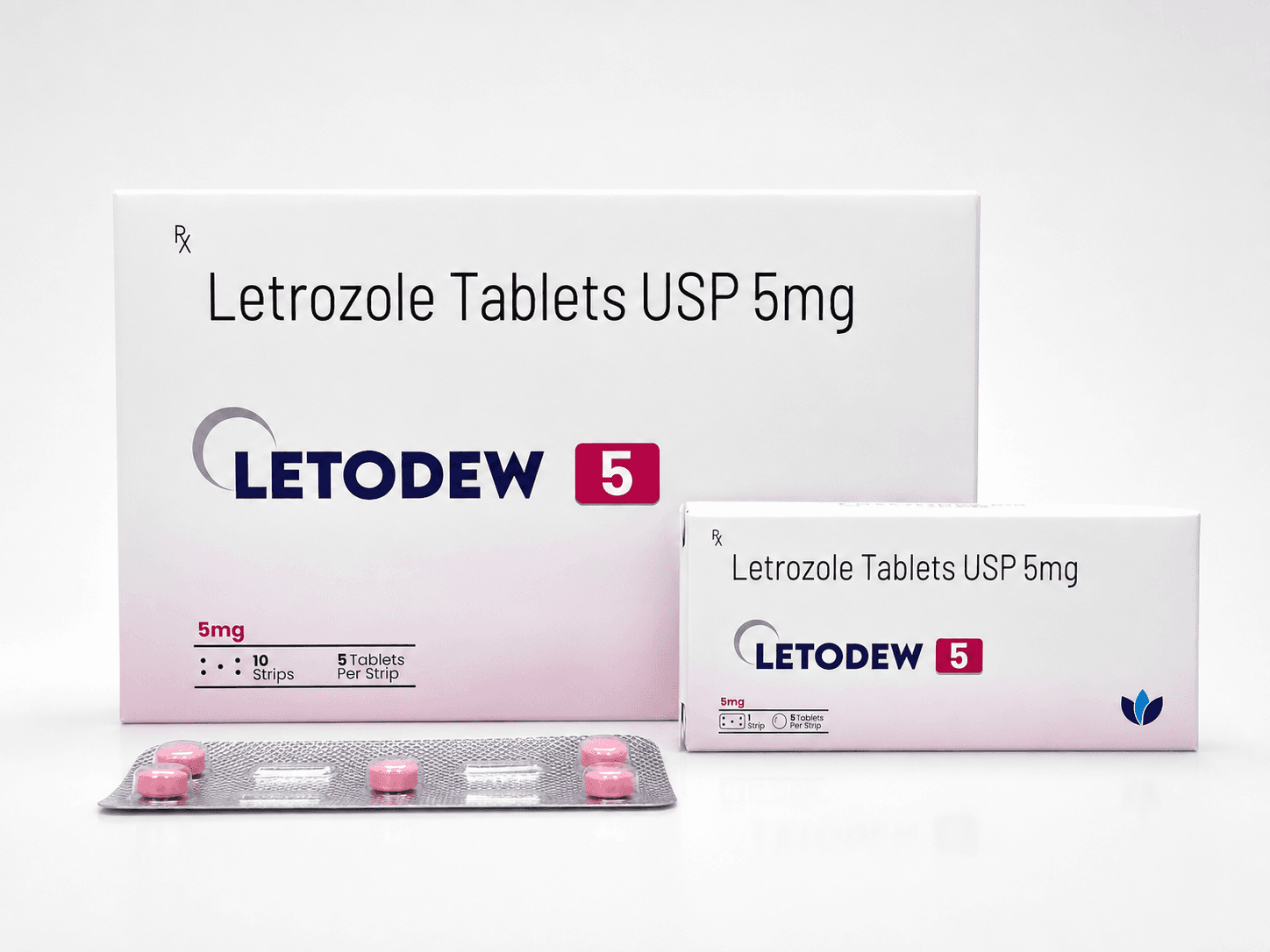
Infertility & Reproductive HealthNUTRACEUTICAL
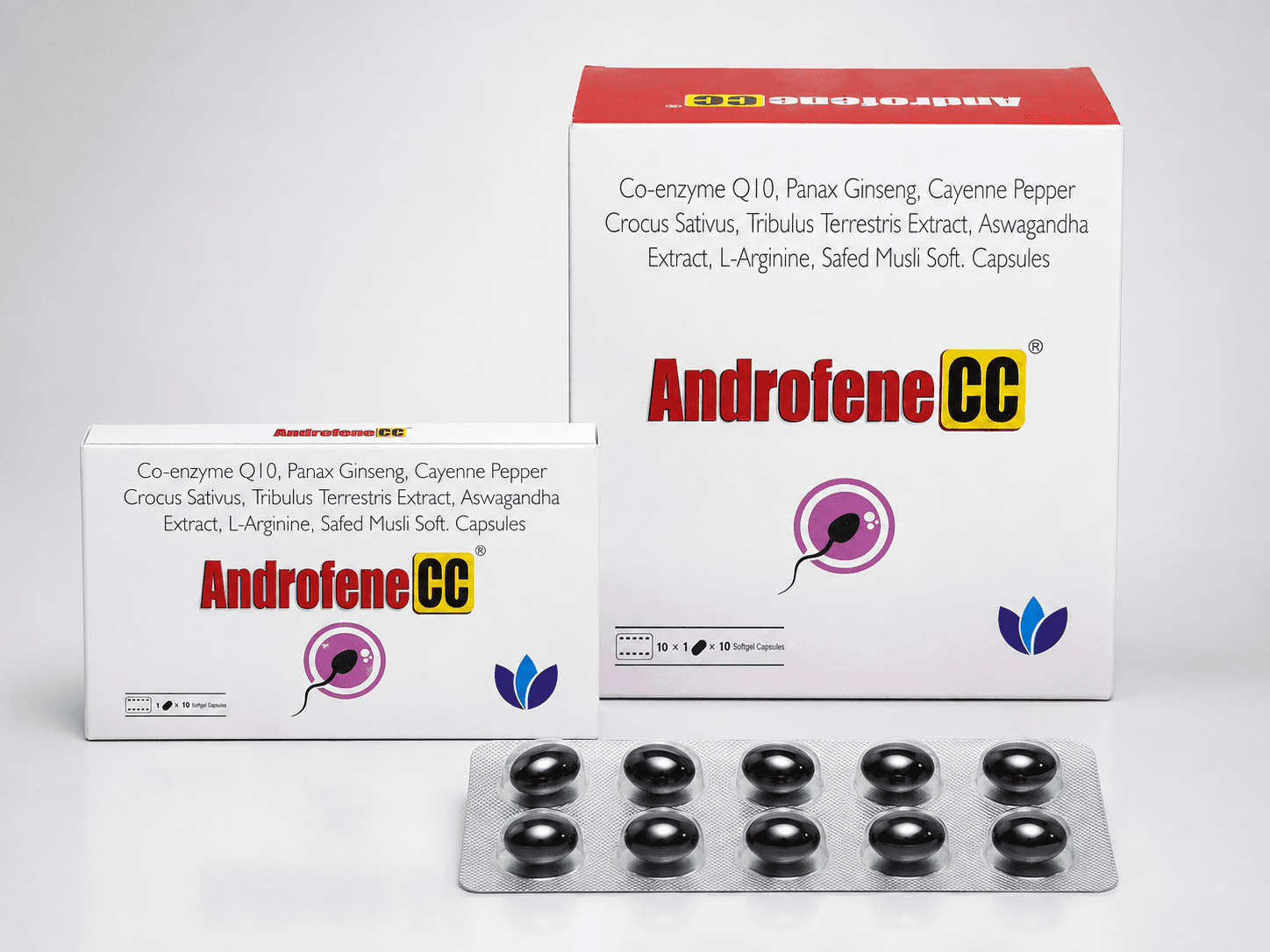
Blister Pack / Outer Mono Carton • 10 x 1 x 10 Softgel Capsules
Softgel Capsules•Infertility & Reproductive Health
Androfene CC
Active Formulation API:
Co-enzyme Q10, Panax Ginseng, Cayenne Pepper, Crocus Sativus, Tribulus Terrestris Extract, Ashwagandha Extract, L-Arginine & Safed Musli Soft Gelatin Capsules
Nutraceutical softgel formula combining CoQ10, botanical adaptogens, and L-Arginine for male reproductive vitality, sperm motility, and cellular stamina.
- CoQ10 mitochondrial energy donor supporting sperm flagellar motility
- Synergistic herbal adaptogens (Ashwagandha, Ginseng, Safed Musli) reducing systemic oxidative stress